Showing posts with label HealthTips. Show all posts

Saturday, June 14, 2014

The Importance of Nutrition

Bissmillah

The Importance of Nutrition
Hippocrates

The importance of good nutrition is nothing new. Back in 400 B.C, Hippocrates said, "Let food be your medicine and medicine be your food." Today, good nutrition is more important than ever. At least 4 of the 10 leading causes of death in every country is - heart disease, cancer, stroke and diabetes - are directly related to the way we eat; diet is also implicated in scores of other conditions. But while the wrong diet can be deadly, eating right is among the cornerstones of health.

Of course, food alone isn't the key to a longer and healthier life. Good nutrition should be part of an overall healthy lifestyle, which also includes regular exercise, not smoking or drinking alcohol, stress management and limiting exposure to environment hazards. And no matter how well you eat, your genes play a big part in your risk for certain health problems. But don't underestimate the influence of how and what you eat.

The keys to good nutrition are balance, variety and moderation. To stay healthy, your body needs the right balance of CARBOHYDRATE, FATS, AND PROTEIN - the three main components of nutrition.

You also need VITAMINS, MINERALS and other substances for many different foods, and while some food are better than others, no single food or food group has it all. So eating a variety of different foods is essential.

BUT REMEMBER EAT IN MODERATION QUANTITY!!

MODERATION means eating neither too much nor too little of and food or nutrient. TOO MUCH food can result in EXCESS WEIGHT and event too much of certain nutrients, while eating TOO LITTLE can lead to NUMEROUS NUTRIENT DEFICIENCIES and LOW BODY MASS.


MAINTAINING A BALANCED DIET BY HEALTHY EATING CAN:
  • Give you vitality and energy for life
  • Help you stay at a weight that's right for you
  • Boost your immune system
  • Improve sports performance
  • Delay the effects of aging
  • Keep you active and fit into old age
  • Help beat tiredness and fatigue
  • Protect teeth and keep gums healthy
  • Enhance your ability to concentrate and possible alter mood
  • Ward off serious illnesses like heart disease, certain cancers, mature-age onset diabetes, and gallbladder disease
Basics of Health Eating for Today
LOW FAT
Cutting down on all fats from fatty and fried foods, butter, cream, margarine and oils is agreed on by nutritionists the world over as a way of making the modern diet healthier and reducing weight. Cutting down on saturated fat in particular is important for the heart.
LOTS OF STARCHY CARBOHYDRATES
We have forgotten how important rice, pasta, potatoes, bread and cereals are to our health. Forget the stodgy image of starch from years gone by! Starch is in again and may turn out to be just as critical as fibre is now.
HIGH FIBER
Not just bran! Fiber, that largely indigestible part of our food and often the part that really gets us chewing, is responsible for so much good. It not only keeps our insides moving smoothly but it helps to lower cholesterol, prevent gallstones and bowel cancer, and keep our weight in check. Wholemeal and grain breads are full of it, as are brown rice, barley, lentils, beans and vegetables. To start your day, there is a wonderful array of wholegrain and bran breakfast cereals.
VITAMINS, MINERALS, AND ANTI-OXIDANTS
Vegetables, fruit and grains carry an abundance of vitamins, minerals and numerous other natural substances (called phytochemicals) which scientists are only just beginning to discover. Phytochemicals function as anti-oxidants, which fight off free radicals that could otherwise damage our cells, membranes and DNA. Numerous studies show that people who eat lots of vegies and fruit have lower rates of heart disease and cancer.
VARIETY
Variety doesn't mean 10 different cereal packs in your cupboard, but rather a variety of botanically different foods. Pasta, bread, puffed wheat and couscous all look and taste different but are all derived from the one basic (but versatile) grain (wheat). So they all provide similar nutrient Substituting other grains like oats, barley, corn or rye for some wheat adds diversity to your diet and ensures a wider range of nutrients. The nutrients you miss from one food, you can make up from another.
MODERATE SUGAR AND SWEETS
Sugar in modest amounts adds to the flavour of cooking and is a useful fuel for athletes and other active people. In excess, however, sugar adds unwanted kilojoules and can displace other more important foods - particularly for children and teenagers. In chewy and sticky form, sugar also can cause dental caries (or tooth decay).
LIGHT ON SALT
Our modern diet is laden with salt. It's not until you avoid salt for a few weeks that you notice how it masks the true flavour of foods. As 75 per cent of our total salt intake comes from everyday commercial foods (including bread, biscuits, cereals, butter, deli meats and snack foods), it is imperative to buy salt-reduced or no-added-salt products.
DRINK PLENTY OF FLUID
2-3 litres of fluid a day is needed to keep the body hydrated and the kidneys working efficiently. In hot weather or after exercise, even more fluid is required. Alcohol, beverage, soda and strong coffee do not count, as these act as diuretics and force the kidney to excrete more fluid than normal.
ENJOY MEALTIMES
Stress, tension, rushing and eating on the run all take their toll on your digestion and health. Try to relax and take the time to really appreciate the food in front of you.Not only will it increase your enjoyment and satisfaction by having a "comfortably full" stomach, this technique is often recommended as a strategy to help people lose weight.

These are some video about the important of nutrition:
Find More about the Nutrition on Youtube.com there alot of videos about nutrition in Youtube. (^_^)

Sunday, March 30, 2014

Benefits of Herbal Tea

Bissmillah


Benefits of Herbal Tea


Have you wonder what kind of tea that give benefits to your health? And why Herbal Tea is a good for your health? and also for you to lose weight? Lose weight? yes! with herbal tea you also can lose some weight because your metabolic rate will increase when you drink herbal tea. Your body will became hot. You will sweat more and that why herbal tea also can lose weight. Herbal Tea also is good for your skin. So if you want to have smooth and glowing skin Drink more Herbal Tea.

Herbal tea isn't really made from tea-which is a specific kind of plant. The French use the word tisane, which is a little more accurate, since Herbal Tea is really just an infussion of leaves, seeds, roots or bark, extracted in hot water. In drinking well-steeped herbal tea, we get all the plant's benefits in an easily digestible form.

Susan Curtis, a homeopath for Neals Yard Remedies, says that fruits teas tend to be blended from synthetic ingredients, but herbal tea often contain real herbs. 

Here is list of Herbal Tea and also their function:

1.    Nettle 

Nettle is made with the leaves of stinging nettle, named for the tiny hairs on the fresh leaves which can sting the skin. Despite it’s rough exterior, nettle is one of nature’s best remedies for an assortment of ailments including anemia, high blood pressure, rheumatism, arthritis, coughs and colds, congestion, urinary tract infections, and kidney and bladder problems.


2.    Chamomile Tea
Chamomile is a popular herb that’s used in teas worldwide. Chamomile soothes the stomach and relieves bloating and indigestion. Chamomile also calms the mind and helps people relax and deal better with their stresses. Some people are allergic to chamomile and should avoid taking the tea. People who find it hard to go to sleep should drink a cup of chamomile tea before going to bed. Chamomile is known to fight insomnia by relaxing the body and the mind, enabling the person to fall asleep naturally.
3.    Ginger Tea
Ginger is an energizer and a stimulator. Drinking ginger tea both stimulates and soothes the digestive system. Ginger has been known to aid people experiencing nausea. Arthritic people have found ginger tea helpful since it has anti-inflammatory properties.

4.    Peppermint Tea

Peppermint is a fragrant herb that makes for a soothing drink. Peppermint helps you digest foods better and also reduces flatulence and digestive issues. Peppermint is prescribed to people with IBS (irritable bowel syndrome) and gallstones in capsules. A cup of peppermint tea will ease nausea and vomiting, especially if you suffer motion sickness. If you have heartburn, don’t drink peppermint tea as this might aggravate your condition. Peppermint tea brings down the severity of herpes outbreaks. The natural mint flavor of the herb helps to freshen your breath. Other health benefits of this tea are control of muscle aches and chronic pain, clearing of congestion and mild coughs, mild asthma and reduction of stress.
5.    Lavender Tea

Lavender tea is made out of the dried purple, pink and white colored flowers that grow on lavender shrubs. Used as a scented herb for many centuries, lavender’s medicinal uses have been appreciated and documented for centuries. A cup of lavender tea can soothe your mind and body, inducing sleep. If you are feeling down and depressed, a cup of lavender tea can help uplift your spirit. Lavender tea helps sooth and treat flatulence, colic, bowel infections and an upset stomach. Lavender tea can be used as a wash on the chest to help reduce cough, bronchitis, asthma, cold and other respiratory issues. For both children and adults, lavender is used to reduce body temperature during fever. Lavender also has healing properties; use a wash of lavender tea to help heal wounds, cuts, ulcers and sores.
6.    Lemon Balm Tea

Lemon balm tea is fragrant to drink and is a very effective tonic to calm nerves and anxiety. Cold lemon balm tea bags help relieve cold sores, or genital sores caused by the herpes simplex virus. Mix lemon balm leaves with valerian to treat anxiety, stress and insomnia.  Lemon Balm contains several properties, which control herpes and also regulate the thyroid.
Lemon balm when mixed with peppermint can calm an upset stomach, sooth the digestive track and reduce flatulence. Drink lemon balm tea if you suffer from nerve pain. Drinking lemon balm tea also helps strengthen memory and brain functions and also uplifts one’s mood.
7.    Rosemary Tea

Rosemary is not only good for cooking but makes a healthful and highly beneficial tea. Rosemary can help your muscles to relax. Additionally, rosemary is an effective digestive aid as well. If you have gall bladder and liver complaints, drinking rosemary tea regularly will greatly help relieve your symptoms. Rosemary tea also relieves cough and mild asthma symptoms.

8.    Hibiscus Flower Tea (Sorrel)

Dried Hibiscus flowers are made into a tea that offers very high health benefits. Hibiscus tea is known to lower blood pressure, reduce high cholesterol and strengthen the immune system (it’s rich in Vitamin C). Hibiscus flower infusions have known to reduce hypertension as well, in people prone to this condition. A recent study reveals that hibiscus tea is rich in antioxidants, which protect the body against cell-damaging free radicals. Red zinger tea and sorrel tea contain hibiscus.
9.    Green Tea

Green Tea comes with such a host of health benefits, that it’s called the ‘wonder herb’ by tea drinkers and medical practitioners alike.
Drinking green tea lowers cancer risk and also inhibits carcinogenic in cigarettes and other compounds when imbibed. Green Tea contains potent antioxidants called polyphenols, which help suppress free radicals. Green tea also stops certain tumors from forming. Green tea lowers cholesterol and triglyceride levels and thereby promotes heart health.  Green tea also lowers blood pressure, prevents and fights tooth decay and dental issues, and inhibits different viruses from causing illnesses.
10.  Cardamom Tea 
Cardamom is an evergreen plant that’s grown mainly in India and Guatemala. Both dried white cardamom flowers and the sweetly aromatic seeds are used to make tea. Cardamom tea has a pungent, sweet and aromatic flavor. Cardamom tea helps treat indigestion, prevents stomach pain, and relieves flatulence. It’s also helpful to drink a glass of cardamom tea if you are feeling nauseous. Cardamom tea fights pulmonary disease where lots of phlegm is present. It also works as a good expectorant and relieves coughs. If you have drunk too many cups of coffee, drink a couple of cups of cardamom tea to help detoxify the caffeine from your system. Drinking a cup of cardamom tea is helpful for women who experience mood swings during their menstrual period.
11. Milk thistle

When consumed as a tea, milk thistle herb, (not as in dairy milk) is a  gentle liver cleanser. It contains properties that help the liver to regenerate and function at a higher capacity. “Milk Thistle can also assist in the production of bile, which can help with our digestive process.
12. Rosehip tea

Rosehips are the fruit of the rose plant and are one of the best plant sources of vitamin C, which is important for the immune system, skin and tissue health and adrenal function. Consider reaching for rosehip tea next time you need a health boost.


13. Lemongrass
    
                                                                        The citrusy tang that comes from the lemongrass plant is favored in cooking as well as tea. Lemongrass teas are often served as an after-dinner drink to aid digestion—primarily due to a substance called citral, also the active ingredient in lemon peels. Though typically enjoyed unaccompanied by other herbs, it can also be blended to create lemon-flavored teas like Lemon Zinger.


14.Echinacea
 
                                                        Echinacea is widely used to prevent or cure the common cold. It’s a powerful herb that contains active substances that enhance the activity of the immune system, relieve pain, reduce inflammation and have antioxidant effects. The leaves and flowers of the uppermost part of the plant are the section believed to contain polysaccharides (a substance known to trigger the activity of the immune system).
15.Blackberry leaves
                                                                    

Picked, dried in the sun and infused with boiling water, blackberry leaves are the essence of most berry-flavored teas. Studies suggest that the leaves contain a healthy dose of flavonoids, which are known for their antioxidant activity.


16. Hawthorn

The leaves, flowers and berries of the hawthorn plant are used in a variety of peach- and berry-flavored teas. The plant is believed to contain flavonoid-like complexes that help improve cardiovascular health by helping to relax and dilate blood vessels, which increases blood circulation and lessens stress on the heart. Hawthorn berries are also believed to relieve water retention by draining the body of excess salt.
17.Black Tea

Made with fermented tea leaves, black tea has the highest caffeine content and forms the basis for flavored teas like chai, along with some instant teas. Studies have shown that black tea may protect lungs from damage caused by exposure to cigarette smoke. It also may reduce the risk of stroke.


18. Oolong Tea
Oolong tea is a product made from the leaves, buds, and stems of the Camellia sinensis plant. This is the same plant that is also used to make black tea and green tea. The difference is in the processing. Oolong tea is partially fermented, black tea is fully fermented, and green tea is unfermented.

Oolong tea is used to sharpen thinking skills and improve mental alertness. It is also used to prevent cancertooth decay, osteoporosis, and heart disease.

Some people use oolong tea to treat obesitydiabetes, “hardening of the arteries” (atherosclerosis), high cholesterol and skinallergies such as eczema; and to boost the immune system.
There are many choice of Herbal Tea. But i choose Herbalife tea called Herbal tea concentrated(TeaMix). This tea contain hibiscus, lemon, green tea which can boost our metabolism and give us energy~ :) Herbalife also got  TC formula full name Total Control formula which it contain 3 Famous tea. Green tea, Oolong tea and Black tea. That why i love Herbalife. (^_^)


Saturday, March 29, 2014

Important Nutrients to Boost Health

Bissmillah.


As people strive to improve their health and evolve their food choices to a more plant-based diet, it is easy to get lost along the way. When you transition to a healthier diet, it is important to educate yourself about the nutrients your body will need on a daily basis.
It’s important to learn how to create a balance of protein, carbohydrates and quality fats with each meal. There are eight essential nutrients including protein, iron, zinc, magnesium, calcium, B12, iodine and Essential Fatty Acids which are necessary to boost and optimize our health. 

1. PROTEIN


As my previous post, "Importance of protein for our body". Protein is a MUST eat food for our daily diet. You need to know what kind of protein does you eat. Remember! Eat more protein from soy, vegetables and fruits and less eat meat. Protein A crucial part of any diet, the average RDA for women is 45 grams and for men 55 grams, which you can easily consume in the form of:

  • Beans, legumes, lentils and peas
  • Free range eggs
  • Raw milk, cheese and yogurt.
  • Nuts and seeds, which benefit from soaking in water or sprouting first
  • Non-dairy nut and seed milks
NOTE: Pseudo-meats and other pretend protein foods should be avoided if possible, as they are highly processed foods. In an article by Sally Fallon and Mary G. Enig, Ph.D. they write that, “Phytic acid remaining in these soy products greatly inhibits zinc and iron absorption; test animals fed soy protein isolate develop enlarged organs, particularly the pancreas and thyroid gland, and increased deposition of fatty acids in the liver.”

2, 3. IRON AND ZINC


One of the most common deficiencies in the world, iron is an important nutrient, integral to many bodily processes. It is especially essential for pre-menopausal and pregnant women, who tend to have this deficiency. If you feel tired, low in energy, suffer from headaches or hair loss, a pale complexion and weak nails, you could be suffering from iron deficiency.
Strong, healthy blood requires proper amounts of Iron. Average RDA for woman 19-50 years is 18mg, women 51+ years is 8mg and adult male is 8mg.
Two billion people may have a zinc deficiency, yet it’s an essential mineral required by the body for maintaining a sense of smell, keeping a healthy immune system, building proteins, triggering enzymes, and creating DNA. Zinc also helps the cells in your body communicate by functioning as a neurotransmitter. A deficiency in zinc can lead to stunted growth, diarrhea, impotence, hair loss, eye and skin lesions, impaired appetite, and depressed immunity.
Because the human body does not store Zinc, it is essential to obtain it from the food you eat. The RDA for adult women is 8mg and for men is 11mg.
  • Cocao, oysters, wheat germ (zinc)
  • Green leafy vegetables: kale, collards, cabbage, spinach, and broccoli
  • Nuts, seeds: almonds and cashews
  • Beans, lentils, legumes, peas, in cooked and sprouted form
  • Fruits and dried fruits: apricots, dates, and raisins
  • Date syrup and molasses

4.MAGNESIUM


Magnesium plays a more important role than calcium in the body. It reduces your risk of cancer, and controls the entry of calcium into each and every cell–a physiological event that occurs every time a nerve cell fires! When it comes to building healthy bones, magnesium is as important as calcium and vitamin D are. Without adequate magnesium, too much calcium gets inside the cell. This causes cramping and constrictions in ways you many doctors never consider.
Earlier dietary surveys show that a large portion of adults do not meet even the RDA for magnesium (320 mg per day for women and 420 mg per day for men) which is below the level necessary for optimal health being 500mg+ per day for both men and women.
  • Green, leafy vegetables, starches,
  • Grains and nuts, and raw milk.

5. CALCIUM


In a nutshell, your body needs calcium to maintain strong bones and teeth, and for your nervous system to function properly. The RDA for adults is 1000-1200mg and can be found in a variety of foods, such as:
  • Dark greens: broccoli, kale and Chinese cabbage
  • Sea Vegetables: wakame, arame, dulse, hijiki, and kelp
  • Dairy products: milk, yogurt and cheese

6. IODINE


Iodine is a mineral found mostly in seafood (including seaweed) that helps the body synthesize hormones, including thyroid hormone. This important mineral has been slowly but steadily leaving our food stream. The chemicals in fertilizers used in modern farming and chlorine added to water bind to iodine and prevent it from being utilized by our bodies. Iodine deficiency significantly affects the brain development of unborn babies and young children and is the main cause of preventable mental retardation and brain damage across the world. It also leads to underactive thyroid and may increase the risk of miscarriage and stillbirth, which could be a major problem given the numbers of women suffering from this deficiency. Iodine deficiency is not only common in developing countries, research has suggested that more than two thirds of teenage girls and 15 percent of adult females in the US have an iodine deficiency.
Caution: Too much iodine can also be harmful. although the World Health Organization (WHO) recommends 200-300 micro grams of iodine daily during pregnancy for normal fetal thyroid hormone production and neurocognitive development, 1,100 micro grams is considered to be the safe upper limit for daily ingestion by the US Institute of Medicine.
  • Eggs, fish and seafood are good sources.
  • Vegans can go for seaweed, cranberries, organic strawberries and himalayan crystal salt.

7. VITAMIN B12


Vitamin B12 is an important nutrient, especially for those following strict vegan lifestyles. It is required by your body to make new red blood cells and help keep your nervous system healthy. Without it, permanent damage can result. B12 can also lower homocystein levels, which is great news since elevated homocysteine levels may cause heart disease and strokes. A deficiency leads to anaemia and its symptoms include tiredness, pale complexion and breathlessness. It can also cause memory loss, confusion, mood swings and depression.
Vegans and vegetarians who do not eat eggs or dairy will need to take this essential nutrient in the form of a B complex supplement that includes the RDA for B12 of 1.5 microgram for adults. Shitake mushrooms, sea vegetables and algae contain something similar to B12, but it does not work in the body in the same way as B12 from animal sources. Some nutritional yeast food products contain some Vitamin B12. Meat and eggs are some of the best sources, however, if you’re a vegetarian or vegan, it may be essential to occasionally use a B12 patch or high quality B12 supplement in your diet.

8. ESSENTIAL FATTY ACIDS


Research says that eating more omega-3 fatty acids makes one live longer, look better and feel happier. A deficiency, on the other hand, can cause depression, mood swings and even aggressive behaviour. These fatty acids prevent heart disease, are good for your eyes, help you shed pounds and keep your skin and hair in good condition.
The body needs quality fats to help absorb the ‘fat soluble’ vitamins A, D, E and K, to regulate cholesterol, provide energy, maintain heart health and a number of other important functions. Saturated fats from animal sources is limited in a vegetarian diet, but hydrogenated and trans fats in baked goods and chips should be avoided for their harmful health effects. Recommended RDA for Omega Fatty Acids is 1-2 tablespoons.
  • Extra Virgin Olive oil
  • Sesame oil
  • Raw butter and clarified butter
  • Coconut oil: a saturated vegetable oil that has proven beneficial in the diet
  • Omega-3 oils: Flax, hemp and walnut oils

Saturday, March 22, 2014

Memilih lemak yang sihat

Bissmillah.


Lemak, lemak, lemak! Adakah kita akan dapat turun berat jika kita tidak makan makanan yang ada lemak? Malangnya, tidak semudah itu. Kita sebenarnye juga memerlukan lemak dan tidak boleh hidup tanpa lemak. Lemak adalah sangat penting dalam pemakanan yang sihat. Mereka menyediakan asid lemak, mengekalkan kulit kita lembut, memberi vitamin dalam lemak larut, dan sumber untuk memberi kita tenaga. Tapi jangan terkeliru dengan lemak baik dan lemak jahat, berapa banyak lemak perlu kita makan, dan bagaimana cara untuk mengelakkan arteri kita tersumbat dengan lemak tepu.

Pakar pemakanan dan doktor sudah lama beritahu bahawa pemakanan yang rendah lemak adalah kunci untuk mengurangkan berat badan, menguruskan kolesterol, dan mencegah masalah kesihatan.  Tapi, ia bukan jumlah lemak yang kita ambil tetapi jenis lemak yang kita ambil yang memainkan peranan penting. Lemak jahat menaikkan kolesterol dan berisiko mendapat penyakit yang lain, sementara lemak baik melindungi jantung dan menyokong kesihatan secara keseluruhan. Contoh lemak omega 3 adalah penting untuk kesihatan jantung, sendi, dan badan.

Kebanyakkan orang sekarang suka mengambil makanan yang banyak lemak. Anggaran 34%-40% lemak dalam kalori yang diambil. Mengapa? Kerana rasanya sangat sedap dan boleh didapati dalam makanan seharian. Ini kerana lemak boleh menaikan rasa makanan dan memberi kepuasan kepada mulut kita. Sebab itu ramai orang lebih suka makan yang banyak lemak. Kerana ingin memenuhi nafsu makan.

Adakah lemak dalam pemakanan membuat kita gemuk?

Kita selalu salahkan lemak, kerana lemak yang membuat ramai orang diserang obesiti. Sebenarnya lemak itu hanya  sebahagian daripada masalah. Kebanyakkan kita suka memakan kalori yang berlebihan dari yang sepatutnya diambil mendorong badan kita naik. Senang kata, kebanyakkan orang kurang aktiviti bersenam tetapi memakan makanan yang banyak kalori akan membuat berat kita naik. Jadi kurangkan memakan makanan yang berlemak dan lebihkan aktiviti. Supaya lemak yang kita makan boleh dibakar semula.

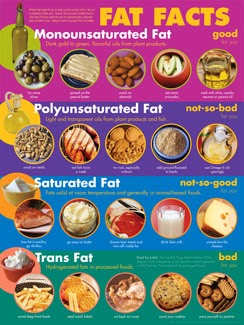
Jenis-jenis lemak: Lemak baik dan Lemak Jahat


Untuk memahami lemak yang baik dan buruk, anda perlu mengetahui nama-nama lemak dan maklumat mereka. Ada 4 jenis lemak utama:

  1. Monounsaturated fats
  2. polyunsaturated fats
  3. saturated fats
  4. trans fat
Monounsaturated fats dan polyunsaturated fats dikenali sebagai lemak baik kerana ia sangat bagus untuk jantung, kolesterol dan kesihatan kita.

GOOD FATS
Monounsaturated fatPolyunsaturated fat
  • Olive oil
  • Canola oil
  • Sunflower oil
  • Peanut oil
  • Sesame oil
  • Avocados
  • Olives
  • Nuts (almonds, peanuts, macadamia nuts, hazelnuts, pecans, cashews)
  • Peanut butter
  • Soybean oil
  • Corn oil
  • Safflower oil
  • Walnuts
  • Sunflower, sesame, and pumpkin seeds
  • Flaxseed
  • Fatty fish (salmon, tuna, mackerel, herring, trout, sardines)
  • Soymilk
  • Tofu

Lemak trans, atau minyak hidrogenasi, digunakan dalam pembuatan makanan untuk membantu ia kekal segar lebih lama. Mereka dikenali sebagai "lemak jahat" kerana mereka meningkatkan risiko penyakit dan meningkatkan kolesterol.


Lemak tepu, lebih sukar untuk dikategorikan kerana boleh membawa kebaikan kepada kesihatan serta kesan negatif terhadap kolesterol. Sebagai contoh, walaupun kandungan lemak tepu yang tinggi, produk tenusu keseluruhan lemak adalah sumber kalsium dan protein yang baik, manakala Minyak kelapa boleh meningkatkan tenaga dan daya tahan. Bagi mereka yang mengalami kolesterol tinggi, tekanan darah tinggi, atau sakit jantung, mereka perlu mengurangkan pengambilan makanan yang mengandungi lemak tepu jika mereka ingin kekal sihat.

BAD FATS
Trans fat
  • Commercially-baked pastries, cookies, doughnuts, muffins, cakes, pizza dough
  • Packaged snack foods (crackers, microwave popcorn, chips)
  • Stick margarine
  • Vegetable shortening
  • Fried foods (French fries, fried chicken, chicken nuggets, breaded fish)
  • Candy bars
QUESTIONABLE FATS
Saturated fat
  • High-fat cuts of meat (beef, lamb, pork)
  • Chicken with the skin
  • Whole-fat dairy products (milk and cream)
  • Butter
  • Cheese
  • Ice cream
  • Palm and coconut oil

Lemak trans: elakkan memakan lemak jahat ini
Jika ingin jadi sihat, elakkan memakan makanan yang ada Lemak trans. Kerana lemak trans ni tidak sihat dan menyumbang kepada masalah kesihatan, dari sakit jantung ke kanser.

Sumber lemak trans
Ni adalah contoh sumber lemak trans: 
  • Makanan dibakar - biskut, kek, muffins, pizza, roti burger, kerak pie.
  • Makanan goreng - donat, french fries, ayam goreng, nuggets, makana bergoreng
  • Makanan ringan - kerepek, gula-gula, makanan bungkus
  • Lemak pepejal - margarine


Lemak tepu: Limitkan atau kurangkan lemak ini
Ramai di antara kita boleh mendapat manfaat daripada menggantikan beberapa lemak tepu dalam diet kita dengan lemak yang sihat. Lemak tepu kebanyakannya terdapat dalam produk haiwan seperti daging merah dan keseluruhan produk tenusu susu. Ayam dan ikan juga mengandungi lemak tepu, tetapi kurang daripada daging merah.

Sumber Lemak TepuDigantikan
Butter
Minyak zaitun
Keju
Keju rendah lemak
Daging Merah
Ayam
Cream
Susu lemak rendah atau cream bebas lemak
Telur
Telur putih, atau tofu
Ice cream
Yogurt beku
Whole milk
Skim or 1% milk
Sour cream
Plain,  yogurt bebas lemak